
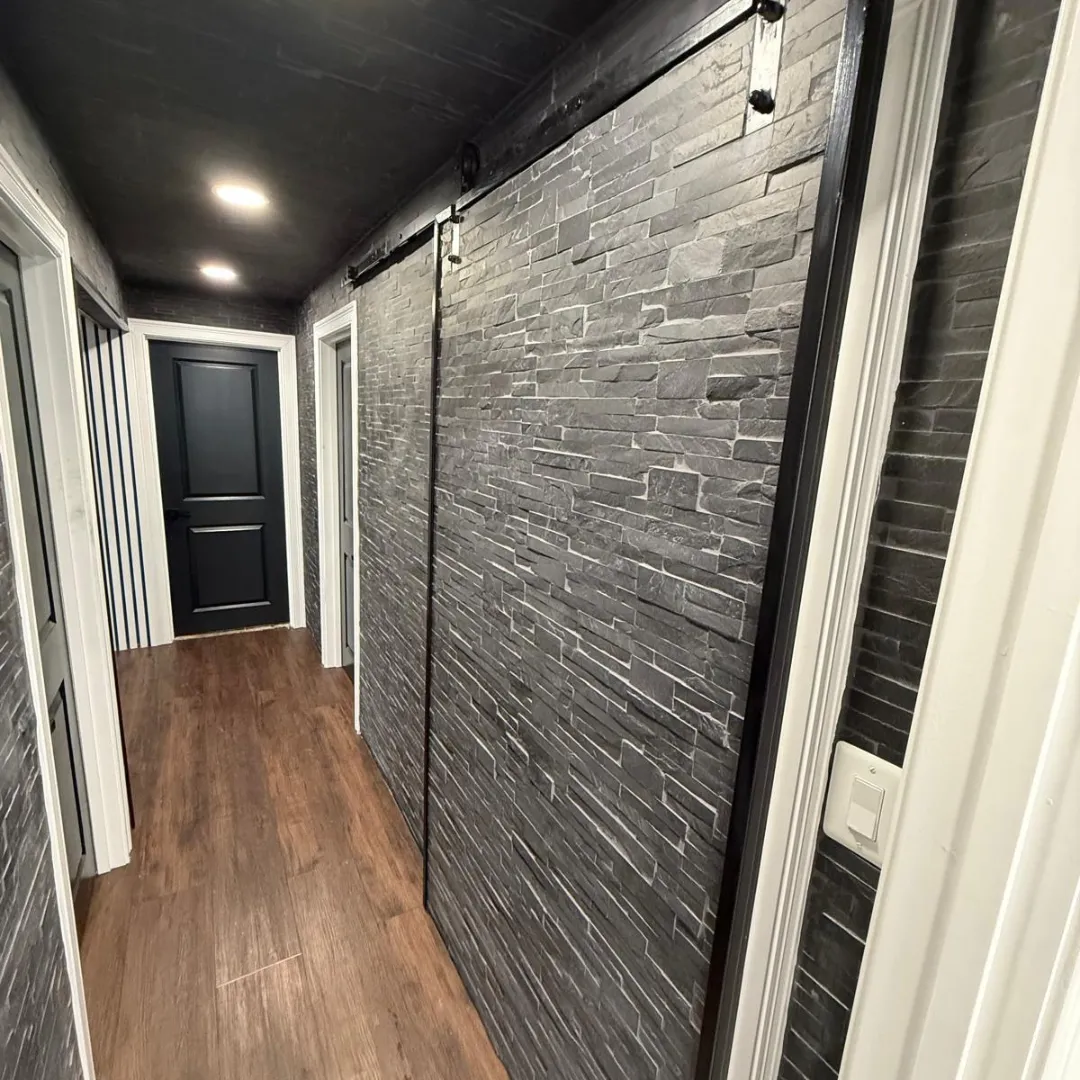
Get transparent door installation costs for interior, exterior, and barn-style doors in Massachusetts. We’re an insured, 5-star rated local service.
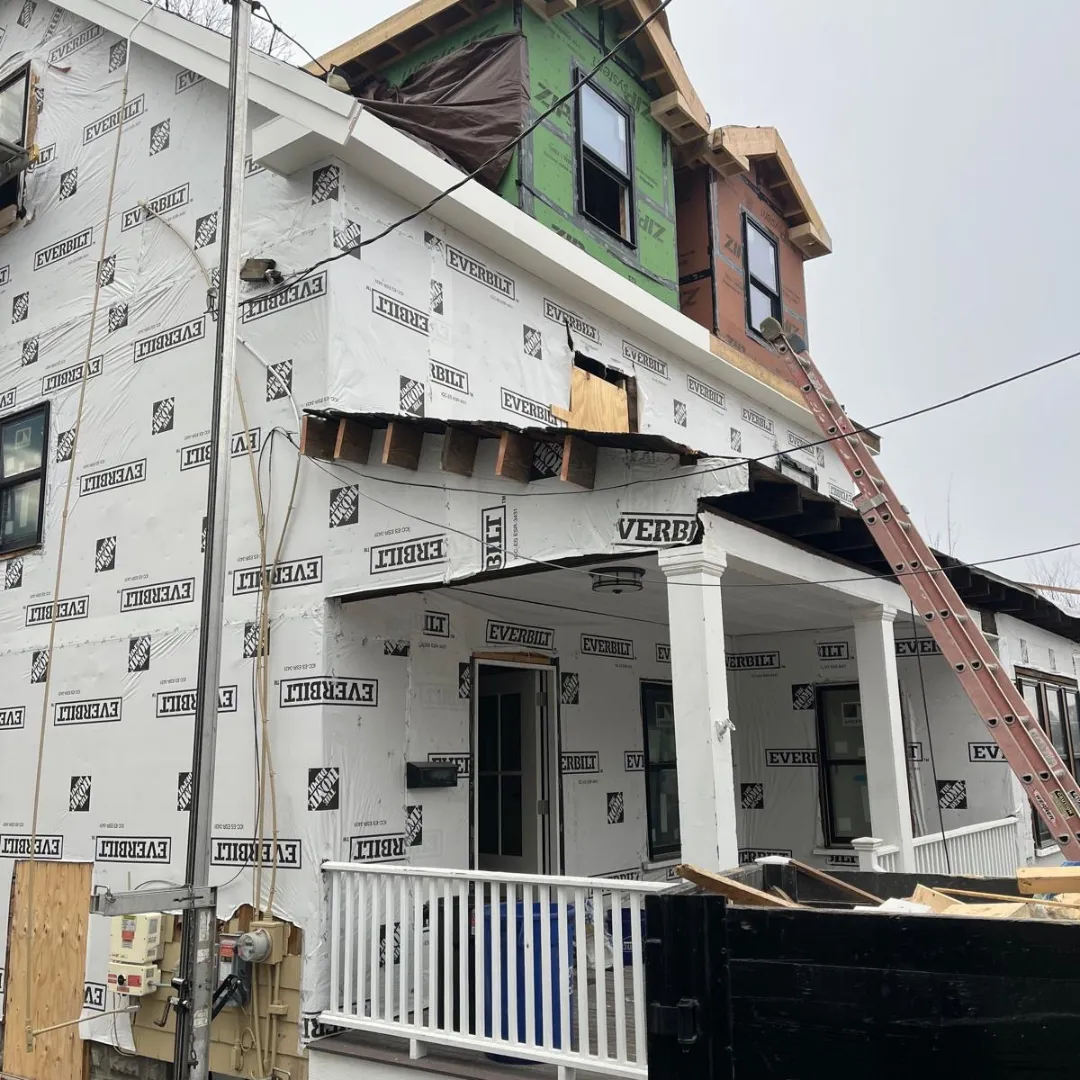
Full Home Renovation in Somerville, MA: Triple-Decker Restoration Done Right
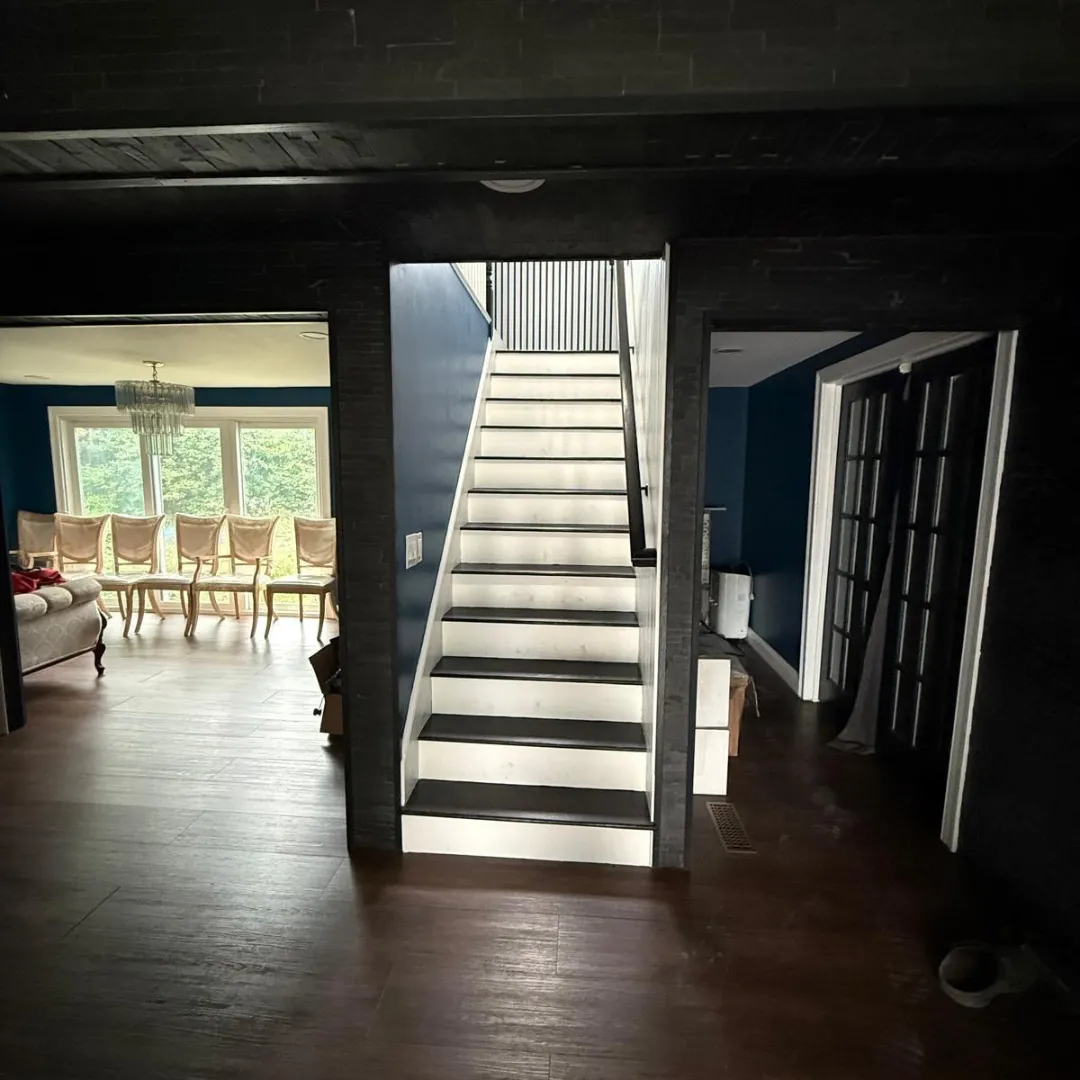
Blog Full Home Renovation in Somerville, MA: Triple-Decker Restoration Done Right Serving homeowners in Somerville, Cambridge, Medford, Arlington, and surrounding areas. A full home renovation in Somerville, MA, especially for a classic triple-decker, is more than just an aesthetic upgrade—it’s an investment in modern comfort, energy efficiency, and preserving historical charm. These comprehensive projects involve everything from structural repairs and system overhauls to complete interior and exterior transformations. Undertaking a renovation of this scale in a dense, historic city like Somerville requires a deep understanding of local building codes, architectural styles, and the unique challenges of older properties. This guide explores what to expect when planning a full home renovation for your Somerville triple-decker, from initial concepts to the final touches, ensuring your restoration is done right. Considering a full home renovation in Somerville? Partnering with an experienced, licensed and insured contractor who understands Somerville’s unique architectural landscape is key to a successful project. Call (844) 547-4633 Understanding the Scope of a Full Home Renovation in Somerville A full home renovation in Somerville encompasses a wide range of improvements designed to revitalize your property from the ground up. For triple-deckers, this often means addressing multiple units, shared systems, and exterior elements like porches and foundations. The goal is to enhance livability, increase property value, and often, improve energy performance without sacrificing the home’s historic character. Key areas typically addressed include: Structural Integrity: Reinforcing foundations, repairing framing, and addressing any water damage or settling issues. System Upgrades: Modernizing electrical, plumbing, and HVAC systems to meet current codes and improve efficiency. Interior Redesign: Complete overhauls of kitchens, bathrooms, living spaces, and bedrooms, often involving new layouts. Exterior Enhancements: Restoring facades, replacing windows and doors, and rebuilding or repairing decks and porches. Finishing Touches: New flooring, interior painting, custom carpentry, and fixtures. According to industry estimates, a comprehensive renovation can yield a return on investment of 50-70% or more upon resale, especially in competitive markets like Greater Boston. From initial framing to final finishes, a full home renovation transforms every aspect of your property. Navigating the Triple-Decker Restoration Process Triple-deckers, iconic to Somerville and other New England cities, present unique opportunities and challenges during a full home renovation. Their multi-unit structure often means coordinating work across different floors and potentially with tenants. Preservation of architectural details, such as ornate trim, bay windows, and front porches, is frequently a priority. The restoration process typically involves: Historical Sensitivity: Balancing modern upgrades with the preservation of period-appropriate aesthetics. This can involve sourcing specific materials or replicating historical designs. Phased Approach: For occupied units, renovations may need to be phased to minimize disruption, focusing on one unit or section at a time. Permitting and Zoning: Somerville has specific regulations for renovations, especially for multi-family homes and historic districts. A knowledgeable remodeling contractor in Somerville, MA will guide you through the permit application process. Structural Reinforcement: Older triple-deckers may require significant structural work, particularly on porches and foundations, to ensure long-term stability and safety. For homeowners looking to modernize an older property, understanding what to know before renovating an old colonial home can offer valuable insights, as many principles apply to triple-deckers as well. Cost Considerations for a Full Home Renovation in Somerville The cost of a full home renovation in Somerville, MA, varies significantly based on the size of the property, the extent of the changes, material selections, and the age and condition of the existing structure. For a triple-decker, costs can range from $150,000* for a moderate refresh to well over $500,000* for a complete gut renovation and luxury finishes across multiple units. Key factors influencing the budget include: Structural Work: Extensive foundation repair or framing adjustments can add substantial costs. System Replacements: Upgrading electrical, plumbing, and HVAC systems for three units is a major investment. Material Choices: High-end finishes for kitchens and bathrooms (e.g., custom cabinetry, stone countertops, designer tiles) will increase the overall price. For example, a kitchen renovation cost in nearby Cambridge, MA, can range significantly based on these choices. Permitting and Architectural Fees: Complex projects often require architectural plans and multiple permits, adding to the initial investment. Accessibility: Working in tight urban spaces can sometimes increase labor costs due to logistics. *Pricing varies based on project scope, materials selected, and site conditions. Contact us for a personalized estimate. Interior renovations, like a modernized staircase, can dramatically improve the aesthetics and functionality of a triple-decker. Choosing the Right Contractor for Your Somerville Project Selecting the right partner for your full home renovation is crucial, especially in a city with unique housing stock like Somerville. You need a contractor with experience in older homes, a strong understanding of local regulations, and a proven track record of delivering quality work. When evaluating contractors, consider: Experience with Triple-Deckers: Look for a contractor who has successfully completed similar projects in Somerville or surrounding areas. Licensing and Insurance: Ensure the contractor is fully licensed and insured, protecting you from liability and ensuring professional standards. Our team is fully licensed and insured for your peace of mind. Portfolio and References: Review their past work, paying attention to projects that demonstrate their ability to handle complex renovations and historical restorations. Communication and Transparency: A good contractor will provide clear, detailed estimates and maintain open communication throughout the project. Local Knowledge: Familiarity with Somerville’s permitting process, zoning laws, and common issues in older homes can prevent costly delays. An experienced remodeling contractor, like our team at Tinbercraft Construction, can transform your vision into reality, ensuring your Somerville triple-decker is restored to its full potential. We specialize in comprehensive remodeling services in Somerville, MA, and the surrounding communities. Enhancing Value and Lifestyle with Your Renovation Beyond the immediate improvements, a full home renovation in Somerville significantly enhances both property value and quality of life. Modernized kitchens and bathrooms, efficient systems, and updated living spaces make a home more appealing to potential buyers and more comfortable for current residents. For triple-deckers, a well-executed renovation can also lead to higher rental income for
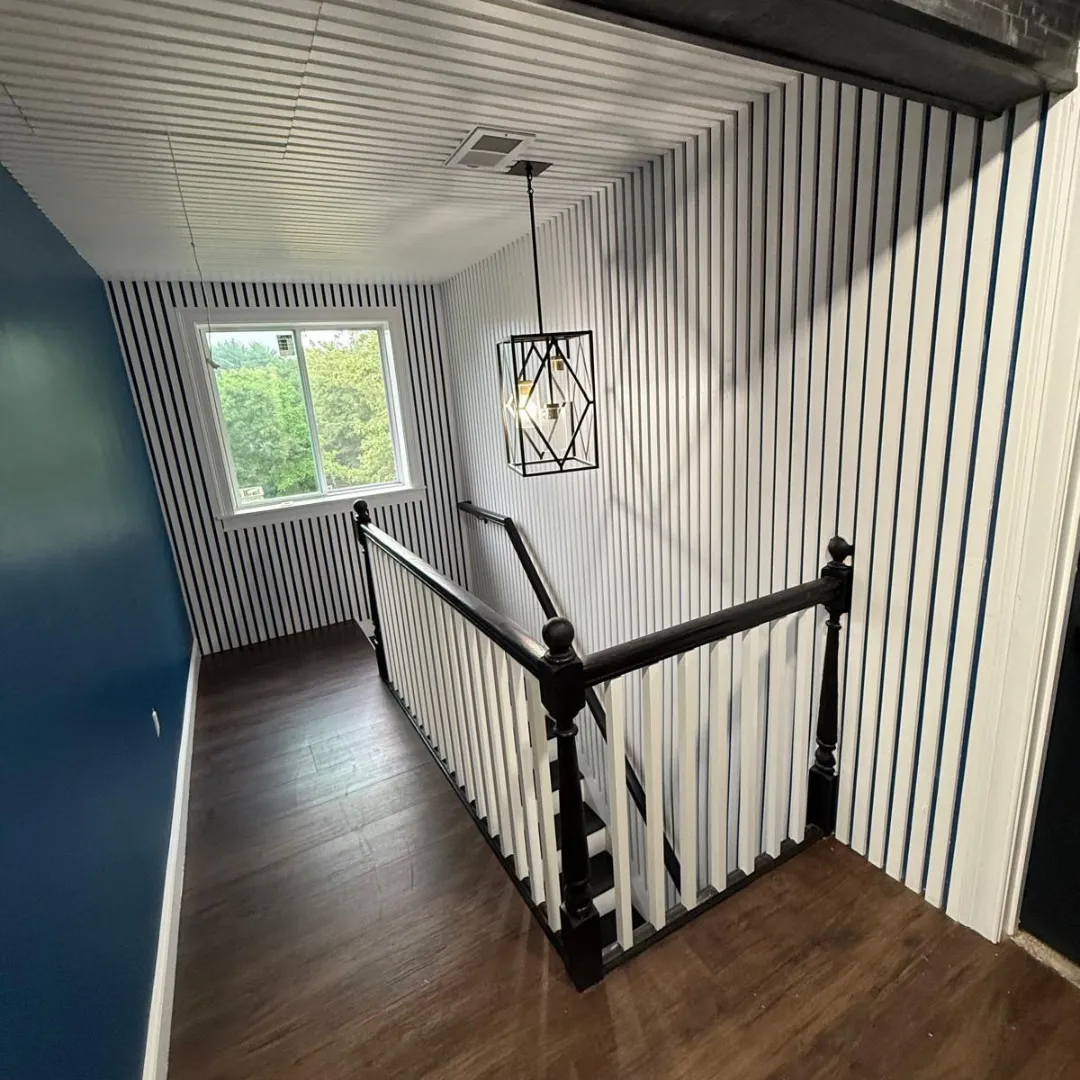
Stair Railing Code in Massachusetts: What Code Inspectors Look For
Blog Stair Railing Code in Massachusetts: What Code Inspectors Look For Serving homeowners in Greater Boston and surrounding areas Ensuring your stairs and railings meet Massachusetts building codes isn’t just about passing inspection; it’s crucial for safety. From proper height and spacing to secure fastening, code inspectors meticulously check every detail to prevent falls and ensure structural integrity. Understanding these regulations can save you time, money, and headaches during your next renovation or construction project. This guide breaks down the key aspects of stair railing code in Massachusetts, highlighting what inspectors prioritize. Need to ensure your stair railings are code-compliant? Our experienced team is well-versed in Massachusetts building codes and can help you design and build safe, compliant, and beautiful stairs. Call (844) 547-4633 Understanding Stair Railing Code in Massachusetts The Massachusetts State Building Code (780 CMR) governs all aspects of construction, including stair railings. These regulations are primarily based on the International Residential Code (IRC) and International Building Code (IBC), with specific amendments for Massachusetts. Inspectors focus on several critical areas to ensure public safety and prevent accidents. For residential properties, the key code sections typically fall under 780 CMR 51.00 (Massachusetts Residential Building Code). Commercial properties or multi-family dwellings may fall under stricter IBC requirements. The goal of these codes is to standardize construction practices, making homes and buildings safer for occupants. Key Elements of Massachusetts Stair Railing Code When an inspector examines your stair railings, they’re looking for adherence to specific dimensions and structural requirements. Missing even a single detail can lead to a failed inspection and costly rework. Handrail Height and Continuity Height: Handrails must be installed between 34 inches and 38 inches above the stair nosing (the edge of the tread). This measurement is critical for providing adequate support. Continuity: Handrails must be continuous for the full length of the run of stairs, from a point directly above the top riser to a point directly above the lowest riser. Interruptions are generally only allowed at newel posts or platforms. Grip Size: The handrail must be graspable. For circular handrails, the outside diameter must be between 1¼ inches and 2 inches. Non-circular handrails have specific perimeter and cross-section requirements to ensure a firm grip. Guardrail Height and Infill Spacing Guardrails (often referred to as railings) are required on open sides of stairways, landings, and porches where there is a drop-off of 30 inches or more. These are distinct from handrails, though they can be combined in some designs. Height: For residential applications, guardrails must be at least 36 inches high, measured vertically from the leading edge of the stair tread, or the finished floor of the landing or porch. Commercial applications often require 42 inches. Infill Spacing (the “4-inch rule”): The most common inspection failure point. Any opening in the guardrail (balusters, pickets, decorative elements) must be small enough that a 4-inch sphere cannot pass through it. This prevents small children from falling through. Ladder Effect: Designs that create a “ladder effect” (horizontal infill that children could climb) are generally prohibited or have very strict spacing requirements. Careful attention to detail, especially baluster spacing and handrail height, is crucial for passing code inspection on outdoor decks and stairs. Structural Integrity and Fastening Railings must be securely fastened and capable of withstanding significant force. Inspectors will often test the stability of posts and balusters. Load Requirements: Handrails must be able to withstand a concentrated load of 200 pounds applied in any direction. Guardrails must resist a horizontal load of 50 pounds per linear foot applied at the top, and infill components must resist a horizontal load of 50 pounds. Fastening: Posts must be adequately anchored to the stair stringers or floor framing. The type and number of fasteners (e.g., bolts, lag screws) are often specified or implied by engineering standards. Ensuring the structural integrity of your railings is not only a code requirement but also vital for the long-term safety of your home. For complex deck and porch construction projects, consulting with a knowledgeable contractor is always recommended. Common Mistakes That Lead to Failed Inspections Even experienced homeowners or contractors can overlook small details that result in a failed inspection. Knowing these common pitfalls can help you avoid them. Incorrect Handrail Height A handrail that is too high or too low by even an inch can trigger a red flag. Measure from the nose of the tread vertically to the top surface of the handrail. The Massachusetts code specifies a range of 34 to 38 inches. The 4-Inch Sphere Rule Violation This is arguably the most frequent cause of failed guardrail inspections. Any gap in the balusters or infill that allows a 4-inch diameter sphere to pass through is a violation. Always double-check your spacing, especially after painting or finishing. Lack of Handrail Continuity Handrails should not have abrupt breaks or dead ends unless they properly terminate into a wall or newel post. Inspectors want to see a continuous path for someone’s hand to slide along the entire length of the stairs. Weak or Loose Posts If a newel post or railing section can be easily wiggled, it will not pass. Proper blocking and robust fastening methods are essential. This is especially critical for outdoor structures like triple-decker porches. Precision in handrail height, grip size, and continuous flow ensures both safety and aesthetic appeal, meeting stringent Massachusetts codes. Permits and Inspections for Stair Railings In Massachusetts, most significant structural changes or additions to a home, including new stair construction or major railing replacements, will require a building permit. This ensures that your project is reviewed and inspected by local authorities for compliance with the state building code. When a Permit is Required A permit is typically required for: New stair construction (interior or exterior). Replacing an entire staircase. Major alterations to an existing staircase that affect structural integrity or code compliance, such as changing the rise/run, or replacing all guardrails and handrails. Minor repairs, like replacing a single baluster or refinishing an existing handrail that already
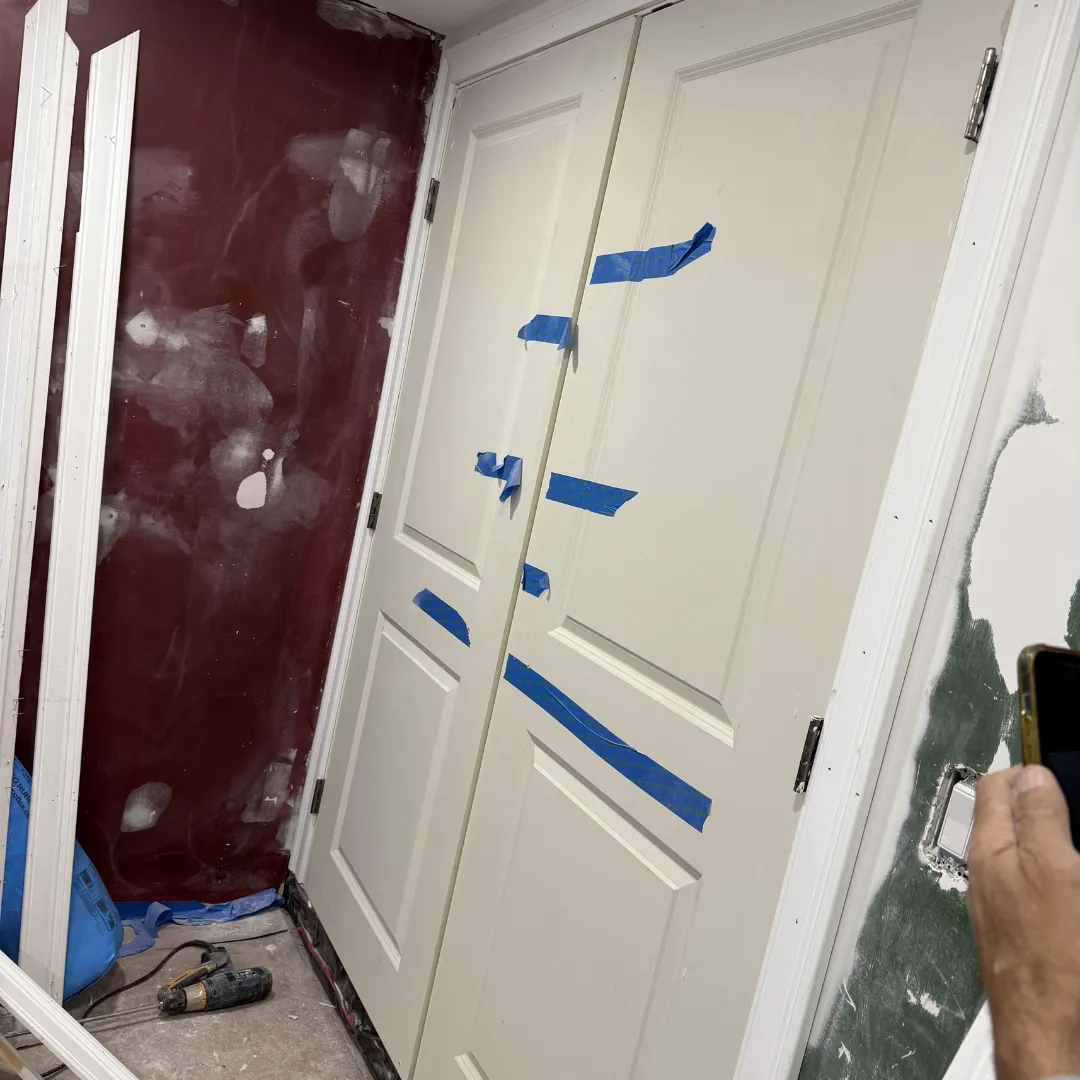
Interior Painting Cost in Greater Boston: What 2-Story and 3-Story Homes Really Pay
Blog Interior Painting Cost in Greater Boston: What 2-Story and 3-Story Homes Really Pay Serving homeowners in Greater Boston and surrounding areas Understanding the true interior painting cost in Boston can feel like navigating a maze. From quaint two-story colonials in Arlington to expansive three-story homes in Cambridge, the price tag for a fresh coat of paint varies significantly. Factors like the size of your home, the condition of the walls, the type of paint used, and the level of detail required all play a crucial role. This guide breaks down what influences interior painting costs in the Greater Boston area, offering insights into what you can expect to pay for different types of homes and projects. We’ll explore the elements that drive pricing, help you understand how to get an accurate quote, and highlight the value of professional interior painting services. Thinking about refreshing your home’s interior? Professional interior painting in Boston typically ranges from $2,500* for a smaller project (e.g., a few rooms) to $10,000+* for a full, multi-story home, depending on preparation, paint quality, and complexity. Contact us for a personalized estimate. *Pricing varies based on project scope, materials selected, and site conditions. Contact us for a personalized estimate. Call (844) 547-4633 What influences interior painting cost in Boston? The price of interior painting is rarely a flat rate. Instead, it’s a combination of several key factors that reflect the labor, materials, and expertise needed for a quality finish. Understanding these elements will help you make sense of different quotes and ensure you’re comparing apples to apples. Home Size and Number of Stories Naturally, larger homes with more rooms and higher ceilings will cost more to paint. A 2-story home requires more time and equipment (like ladders and scaffolding) than a single-story ranch. A 3-story home, common in many parts of Greater Boston like triple-deckers, adds further complexity and labor hours, significantly impacting the overall interior painting cost in Boston. Square Footage: The primary driver. More square footage means more paint and more labor. Ceiling Height: High ceilings require specialized equipment and more careful work, increasing labor costs. Number of Rooms: Each room means more cutting-in, trim work, and potentially different color changes. Surface Condition and Preparation This is often where homeowners underestimate the cost. If your walls have cracks, holes, water damage, or old, peeling paint, significant preparation work is needed before any paint can be applied. This could include patching, sanding, priming, and cleaning. Poor surface prep leads to a subpar finish that won’t last, making it a critical, albeit sometimes costly, step. Minor Repairs: Filling small nail holes and minor scuffs. Extensive Repairs: Patching large holes, repairing drywall, addressing water stains, or stripping old wallpaper. Cleaning and Priming: Essential for proper paint adhesion and a uniform finish, especially when changing colors dramatically or painting over stained surfaces. Thorough preparation, including patching and sanding, is crucial for a smooth, lasting interior paint finish. Paint Quality and Type The quality of paint you choose directly impacts both the look and durability of your interior. Premium paints offer better coverage, superior washability, and a longer lifespan, but come at a higher price point. Different finishes (matte, eggshell, semi-gloss) also have varying costs and applications. For more on transforming your space, consider how interior painting can refresh your home. Budget-Friendly Paints: Suitable for rentals or quick refreshes, but may require more coats and offer less durability. Mid-Range Paints: A good balance of quality and cost, offering decent coverage and durability. Premium Paints: Best for high-traffic areas, kitchens, bathrooms, or when exceptional durability and finish are desired. These often have low-VOC options for better air quality. Detailed Work and Trim Painting intricate trim, crown molding, baseboards, doors, and windows requires meticulous attention and takes more time than simply rolling walls. If your home has extensive architectural details, expect this to increase your overall cost. Changing trim color from walls also adds to the labor. Trim and Moldings: Precision work around doors, windows, and ceiling lines. Doors and Windows: Each door and window frame needs careful painting, often with a different finish. Accent Walls: While only one wall, it requires precise cutting-in and often a different color setup. *Pricing varies based on project scope, materials selected, and site conditions. Contact us for a personalized estimate. Typical interior painting costs for Boston homes (by home type) While every project is unique, here’s a general breakdown of what homeowners in Greater Boston might expect to pay for interior painting, categorized by common home types in the area. These ranges include labor, materials, and standard prep work for a quality finish. Single-Family Homes (2-Story) Many classic New England homes, including colonials and capes, are two stories. Painting the interior of a 2-story home in Boston involves careful planning for stairwells and higher walls. Small 2-Story (1,000-1,500 sq ft): Approximately $3,000 – $6,000*. This might cover living areas, kitchen, and 2-3 bedrooms. Medium 2-Story (1,500-2,500 sq ft): Approximately $5,000 – $9,000*. Often includes most common areas and 3-4 bedrooms. Large 2-Story (2,500+ sq ft): Approximately $8,000 – $15,000+*. For full home interior, multiple colors, and extensive trim. Multi-Family Homes (3-Story / Triple-Deckers) Triple-deckers are iconic in Greater Boston, especially in areas like Somerville, Cambridge, and Medford. Painting a 3-story home, whether an entire unit or common areas, presents unique challenges due to height and often older plaster walls. Per Unit (700-1,200 sq ft): Approximately $2,500 – $6,000* per floor/unit, depending on condition and scope. Common Areas (Stairwells, Hallways): Approximately $1,500 – $4,000*, focusing on high-traffic areas and vertical spaces. Full 3-Story Home (entire building, all units): Can range from $10,000 – $25,000+*, a significant project due to sheer volume and complexity. Condominiums and Apartments Smaller living spaces generally have lower painting costs, but access and building regulations can sometimes add complexity. Studio/1-Bedroom (400-800 sq ft): Approximately $1,500 – $3,500*. 2-Bedroom (800-1,200 sq ft): Approximately $2,500 – $5,000*. Larger Condos (1,200+ sq ft): Can range from $4,000 – $8,000+*, depending on the number of
Renovating an Old Colonial Home in Arlington, MA: What to Know Before You Start
Blog Renovating an Old Colonial Home in Arlington, MA: What to Know Before You Start Serving homeowners in Arlington, MA and surrounding areas Renovating an old colonial home in Arlington, MA, offers the unique opportunity to blend historical charm with modern comfort. However, these projects come with their own set of considerations, from navigating local regulations to preserving architectural integrity. Understanding these factors upfront can help ensure a smooth and successful renovation. Whether you’re planning a full home renovation or a targeted update, this guide will walk you through the essential steps and considerations for renovating your colonial home in Arlington. Planning a renovation for your colonial home? Connect with our experienced team for a personalized consultation and a clear roadmap for your project. Call (844) 547-4633 Navigating the unique challenges of renovating an old colonial home in Arlington Colonial homes in Arlington, MA, often boast incredible character, but they also present specific challenges during renovation. These can include outdated infrastructure, lead paint, asbestos, and the need to comply with historical district guidelines. Addressing these issues early in the planning process is crucial for both safety and budget management. Common challenges in colonial home renovations: Outdated electrical and plumbing: Many older homes have systems that don’t meet current codes or modern demands. Upgrading these is often a significant portion of the budget, with electrical system overhauls typically costing between $8,000–$25,000*, and plumbing updates ranging from $4,000–$15,000* depending on scope. Structural issues: Over time, foundations, framing, and roofs can settle or deteriorate. A thorough inspection by a structural engineer is essential. Hazardous materials: Homes built before 1978 often contain lead-based paint, and those built before the 1980s may have asbestos. Professional testing and abatement are legally required and can add significant costs. Lead paint abatement can cost $8–$15 per square foot*, while asbestos removal can range from $200–$2,000* for small areas to $15,000–$30,000* for entire homes (Environmental Protection Agency). Historical preservation: Arlington may have specific regulations for homes in historic districts, limiting exterior changes or requiring specific materials. *Pricing varies based on project scope, materials selected, and site conditions. Contact us for a personalized estimate. Pro Tip: Always factor in a contingency budget of 15-20% for unexpected discoveries when renovating an old home. It’s rare for a colonial renovation to proceed without a few surprises. Key considerations for your Arlington colonial renovation project Before diving into demolition, a well-thought-out plan is paramount. This includes understanding local regulations, prioritizing your renovation goals, and assembling the right team. Permitting and local regulations in Arlington, MA Arlington has a specific permitting process for renovations. Depending on the scope of your project, you might need permits for building, electrical, plumbing, and mechanical work. If your home is in a designated historic district, additional approvals from the Arlington Historical Commission may be required. Failing to obtain proper permits can lead to costly delays and fines. For a detailed guide on the process, you can refer to resources on how to pull a building permit in nearby towns, which often share similar procedures. Preserving historical integrity while modernizing Many homeowners choose colonial homes precisely for their historical charm. A successful renovation balances modern amenities with preserving the home’s original character. This might involve restoring original millwork, windows, or flooring, or carefully selecting new materials that complement the home’s era. Exterior: Consider maintaining original siding styles, window designs, and rooflines. For example, replacing old windows with energy-efficient replicas that match the original aesthetic. Interior: Restoring original hardwood floors, updating kitchens and bathrooms with period-appropriate yet modern fixtures, and enhancing existing custom carpentry. Blending custom carpentry and modern design elements can update a colonial home while preserving its classic appeal. Budgeting for your colonial home renovation in Arlington Renovation costs for colonial homes in Arlington can vary widely based on the size of the home, the extent of the renovation, and the quality of materials. A full home renovation can range from $100,000* for minor updates to over $500,000* for extensive structural work and high-end finishes. Major cost categories: Structural work: Foundation repairs, roof replacement, or re-framing can be among the most expensive components. Systems upgrades: Electrical, plumbing, and HVAC replacements are critical for safety and efficiency. New HVAC systems can cost $5,000–$15,000*, while a full electrical rewire might be $10,000–$30,000*. Kitchen and bathroom renovations: These are often the most impactful and costly interior spaces. A kitchen renovation cost in Cambridge, MA, for example, typically ranges from $25,000–$75,000*, while a bathroom remodel averages $15,000–$40,000*. Finishes and fixtures: Flooring, paint, lighting, cabinetry, and hardware. High-quality materials like custom cabinets or natural stone countertops will increase costs. Labor: The cost of skilled tradespeople, including carpenters, plumbers, electricians, and painters. *Pricing varies based on project scope, materials selected, and site conditions. Contact us for a personalized estimate. Financing your renovation Explore options like home equity loans, HELOCs (Home Equity Lines of Credit), or renovation mortgages (like an FHA 203k loan). Consulting with a financial advisor can help determine the best path for your specific situation. Extensive renovations, like full home framing, require careful planning and a robust budget to ensure structural integrity and modern standards. Choosing the right contractor for your colonial renovation Working with an experienced and reliable contractor is critical for a successful colonial home renovation. Look for a team with a proven track record in older homes and a deep understanding of Arlington’s specific requirements. What to look for in a contractor: Experience with older homes: Renovating a colonial home requires specialized knowledge of historical construction methods and materials. Local knowledge: A contractor familiar with Arlington’s permitting process and historical guidelines can save you time and headaches. Licensing and insurance: Ensure the contractor is licensed and insured to protect yourself from liability. While we don’t specify license types, our team is fully licensed and insured for your peace of mind. References and portfolio: Ask for references from previous clients and review their portfolio, paying special attention to similar projects. Clear communication: A good contractor will provide detailed proposals,
Custom Carpentry Solutions for Modern Homes in Cambridge, MA
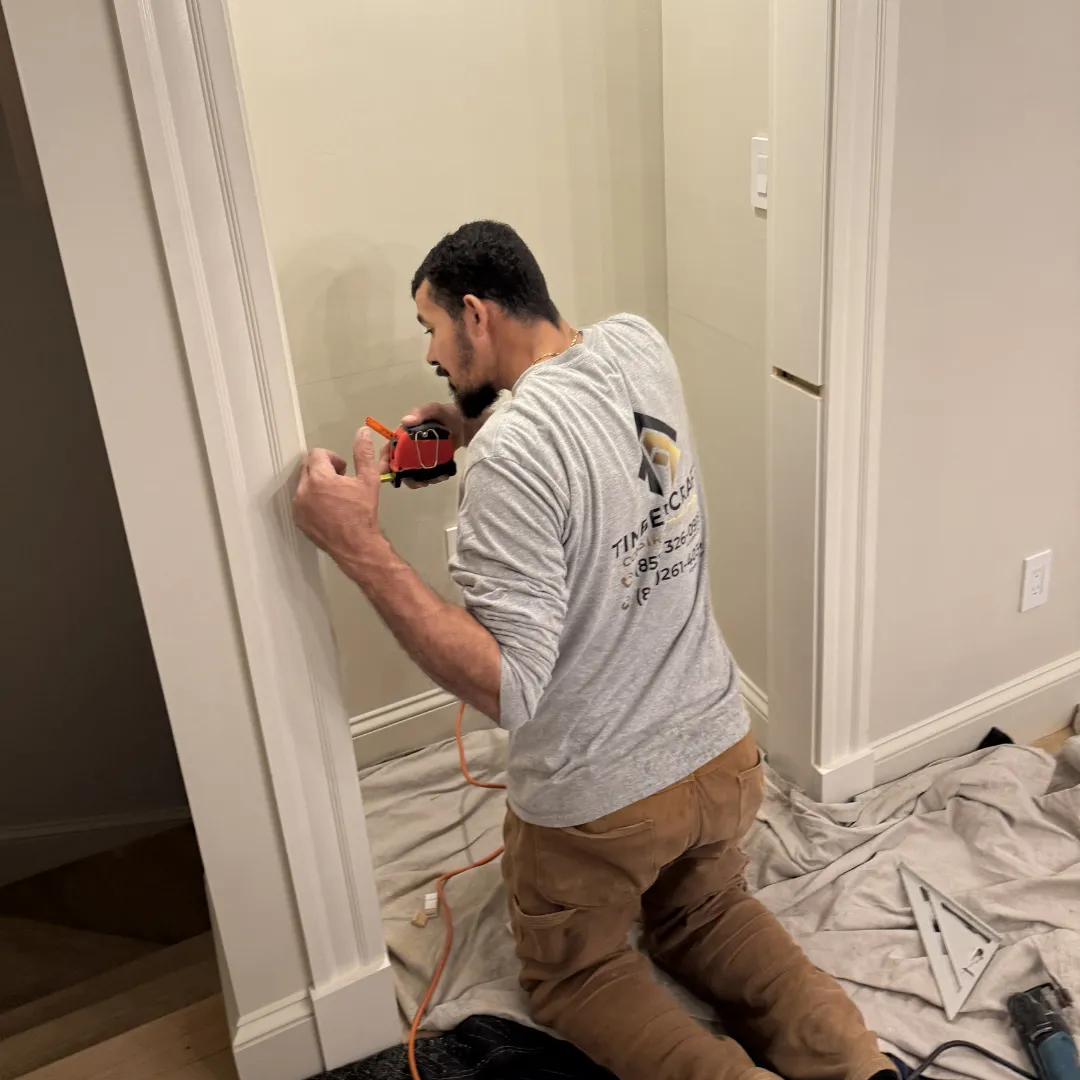
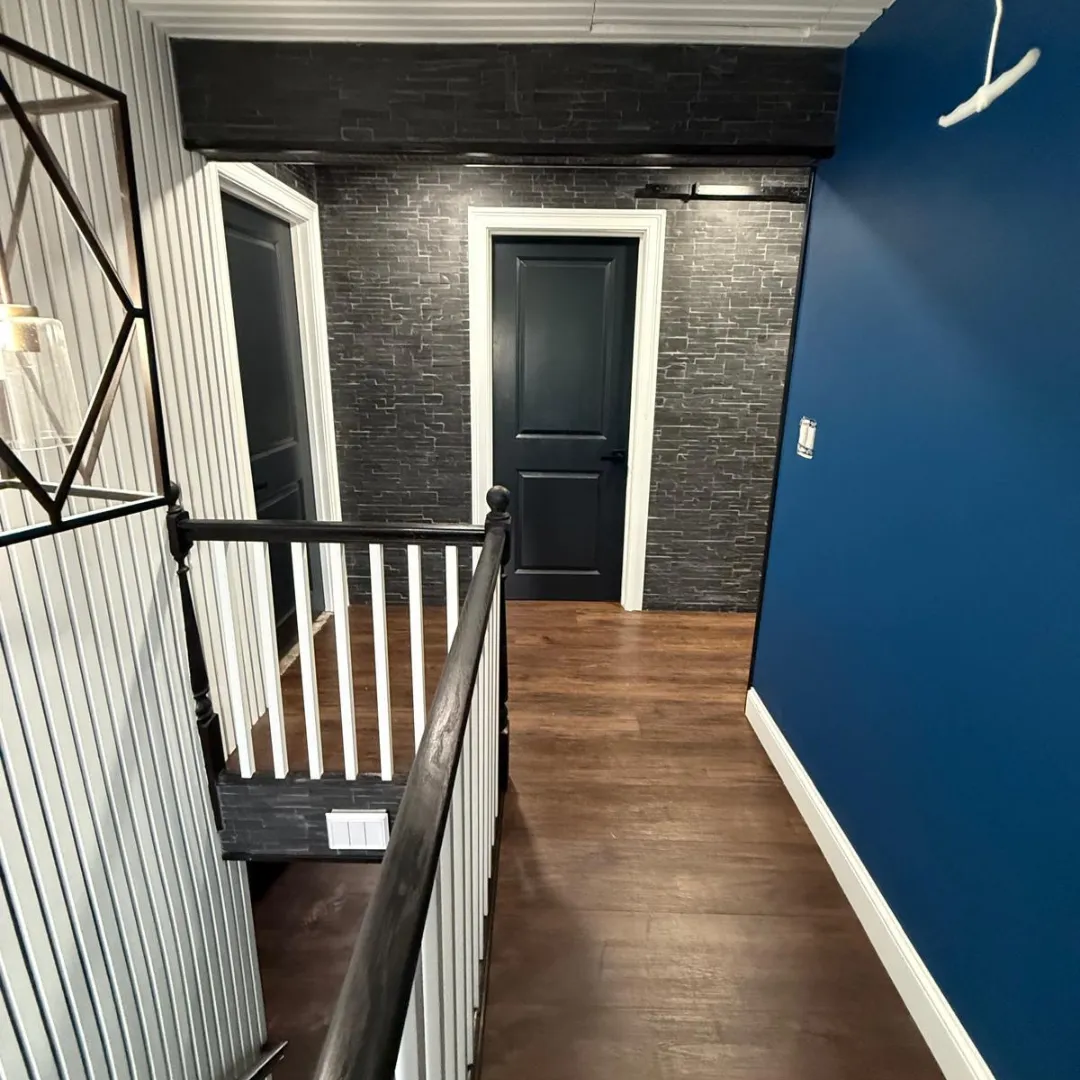
Blog Custom Carpentry Solutions for Modern Homes in Cambridge, MA Serving homeowners in Cambridge, MA and surrounding areas Custom carpentry in Cambridge, MA, offers a unique way to enhance the functionality and aesthetic appeal of your home. From built-in shelving to bespoke trim work, personalized woodworking adds character, maximizes space, and reflects your individual style. Whether you’re looking to create a cozy reading nook or a sophisticated home office, custom carpentry provides tailored solutions that off-the-shelf options simply can’t match. This guide explores the benefits of custom carpentry, popular projects for Cambridge homes, and what to consider when planning your next woodworking endeavor. We’ll show you how quality craftsmanship can transform your living spaces. Ready to elevate your home with custom woodworking? Contact us today for a personalized consultation and free estimate on your custom carpentry project. Call (844) 547-4633 Why Invest in Custom Carpentry in Cambridge, MA? Custom carpentry offers distinct advantages over mass-produced furniture and standard installations, especially in the unique architecture often found in Cambridge homes. It’s about creating pieces that fit your space perfectly, both dimensionally and aesthetically. Tailored to Your Space and Needs Unlike pre-fabricated items, custom carpentry is designed specifically for your home’s dimensions and your lifestyle. This means no wasted space, awkward gaps, or ill-fitting units. For example, a custom built-in entertainment center can perfectly house your media equipment and display items, integrating seamlessly with your wall. According to a 2023 Houzz & Home Study, 55% of homeowners prioritize custom solutions to improve functionality and storage. Enhances Home Value and Aesthetic Appeal High-quality custom woodworking adds significant value to your property. Unique architectural details, intricate trim, or bespoke cabinetry can become focal points, distinguishing your home from others. These elements contribute to a cohesive and polished look that appeals to potential buyers, with custom features often commanding a higher resale value, sometimes adding 5-10%* to a home’s market price, according to real estate experts. Superior Craftsmanship and Durability Custom pieces are typically built with higher-grade materials and superior construction techniques than mass-produced alternatives. This results in furniture and fixtures that are more durable, long-lasting, and capable of withstanding daily wear and tear. A skilled carpenter will select the best woods and joinery methods for longevity, ensuring your investment stands the test of time. *Pricing varies based on project scope, materials selected, and site conditions. Contact us for a personalized estimate. Precise installation of custom trim and finish carpentry ensures a flawless, integrated look that elevates any room. Popular Custom Carpentry Projects for Cambridge Homes Cambridge homes, with their blend of historic charm and modern living, are ideal candidates for custom carpentry. Here are some popular projects that homeowners frequently request to enhance their living spaces. Built-In Shelving and Bookcases For many Cambridge residents, maximizing space is key. Built-in shelving and bookcases offer elegant storage solutions that integrate seamlessly with your walls, perfect for home libraries, displaying collectibles, or decluttering living areas. These can be designed to match existing architectural styles or introduce a new, modern element. Custom Cabinetry and Storage Solutions From kitchens to bathrooms and mudrooms, custom cabinetry provides optimized storage and a personalized aesthetic. In kitchens, bespoke cabinets can be designed to fit unusual layouts or specific appliance dimensions, enhancing both functionality and beauty. Learn more about enhancing your cooking space with a kitchen renovation. For bathrooms, custom vanities offer unique style and smart storage. Explore our bathroom renovation services for more ideas. Architectural Millwork and Trim Elevate the character of your home with custom architectural millwork, including crown molding, wainscoting, and elaborate door and window casings. These details add a layer of sophistication and can restore historical accuracy to older homes or introduce classic elegance to new constructions. Unique Furniture Pieces and Desks A custom-designed desk can transform a small corner into a productive home office, while a unique console table can become a conversation piece in your entryway. Custom furniture allows you to achieve specific dimensions, materials, and finishes that perfectly complement your interior design vision. Custom slat walls can add modern architectural interest to stair landings and open living spaces. The Custom Carpentry Process: What to Expect Embarking on a custom carpentry project involves several key steps, ensuring the final product meets your expectations and integrates seamlessly into your home. Initial Consultation and Design The process begins with an in-depth consultation to understand your vision, needs, and budget. A skilled carpenter will discuss design options, material choices (such as oak, maple, cherry, or reclaimed wood), finishes, and functionality. This stage often involves sketches, 3D renderings, and material samples to help visualize the final product. Material Selection and Craftsmanship Once the design is finalized, the selection of materials is crucial. The choice of wood, hardware, and finishes will impact the durability, appearance, and overall cost of the project. A reputable carpenter will guide you through options, considering factors like grain, hardness, and how the material will perform in Cambridge’s climate, which can see significant humidity fluctuations from 30% in winter to 80% in summer, impacting wood stability. Installation and Finishing Touches The installation phase is where the design comes to life. Professional carpenters ensure precise measurements and a clean, efficient installation process. For built-in units, this often involves careful integration with existing walls and flooring. The final touches, such as sanding, staining, painting, or sealing, are applied with meticulous attention to detail, ensuring a flawless finish. Consider a full home renovation to integrate custom carpentry throughout your property. Pro Tip: Always ask for a detailed proposal that outlines the scope of work, materials, timeline, and payment schedule. This transparency helps prevent misunderstandings and ensures a smooth project. Custom carpentry can be integrated with other renovation elements, like accent walls, for a complete interior transformation. Choosing the Right Custom Carpenter in Cambridge, MA Selecting the right professional for your custom carpentry project is essential for a successful outcome. Look for a team with experience, a strong portfolio, and positive client testimonials. Experience and Portfolio A carpenter with extensive experience
Transform Your Space: Benefits of Interior Painting in Medford, MA
Blog Transform Your Space: Benefits of Interior Painting in Medford, MA Serving homeowners in Medford, MA and surrounding areas Thinking about a refresh for your home in Medford, MA? Interior painting is one of the most impactful, yet often overlooked, ways to revitalize your living space. It’s more than just a new coat of color; it’s an investment in your home’s aesthetic, atmosphere, and even its value. From boosting curb appeal (yes, even interior paint affects how your home feels to potential buyers) to protecting your walls and improving indoor air quality, the benefits are extensive. Let’s explore why interior painting in Medford, MA, is a smart choice for any homeowner looking to make a change. Ready to revitalize your Medford home? Discover the difference professional interior painting can make. Call (844) 547-4633 Unlocking the Benefits of Interior Painting in Medford, MA For homeowners in Medford, MA, interior painting offers a multitude of advantages beyond just a fresh look. It’s a cost-effective way to achieve significant improvements in various aspects of your home. Let’s dive into the key benefits you can expect. Enhanced Aesthetic Appeal and Mood The most immediate and obvious benefit of interior painting is its power to transform the look and feel of a room. A new color scheme can instantly modernize an outdated space, make a small room feel larger, or bring warmth to a sterile environment. In Medford, where homes often have unique historical character, a carefully chosen paint color can highlight architectural details or create a cohesive flow throughout your home. Fresh paint can significantly impact your mood and well-being, creating a more inviting and comfortable living space. Modernization: Update old, tired walls with contemporary colors and finishes. Personalization: Express your style and create an environment that truly feels like home. Atmosphere: Light colors can brighten dark rooms, while deeper tones can add coziness. Proper preparation, including patching and priming, is crucial for a flawless finish that enhances your home’s aesthetic. Increased Home Value and Market Appeal Whether you’re planning to sell your home in the near future or simply want to protect your investment, interior painting is a smart move. Freshly painted walls are a major draw for potential buyers, making your home appear well-maintained and move-in ready. Neutral colors, in particular, can help buyers visualize themselves in the space, increasing its market appeal. Even if you’re not selling, a well-kept interior contributes to the overall perceived value of your property. While specific returns vary, a good interior paint job can offer a significant return on investment. For example, a national bathroom remodel might run from $15,000 to $30,000*, but a professional paint job often costs a fraction of that, with a noticeable impact on appeal. *Pricing varies based on project scope, materials selected, and site conditions. Contact us for a personalized estimate. Higher Resale Value: Attract more buyers and potentially command a higher selling price. First Impressions: Make a strong positive impression on anyone who walks through your door. Cost-Effective Update: A relatively inexpensive way to achieve a high-impact renovation. Beyond Aesthetics: Practical Advantages of Fresh Interior Paint The benefits of interior painting extend beyond just how your home looks. There are several practical advantages that contribute to a healthier, cleaner, and more durable living environment. Improved Indoor Air Quality Older paints, especially those applied decades ago, can contain harmful volatile organic compounds (VOCs) that off-gas into your home’s air. Modern, low-VOC or zero-VOC paints are designed to be much safer, significantly reducing the release of these chemicals. By repainting with high-quality, eco-friendly options, you can contribute to a healthier indoor environment for your family. This is particularly important in older Medford homes, where multiple layers of paint may have built up over time. Reduced VOCs: Opt for low-VOC or zero-VOC paints for a healthier home. Allergen Reduction: Fresh paint can seal in dust and allergens, making surfaces easier to clean. Odor Elimination: A new coat of paint can help neutralize lingering odors from cooking, pets, or smoke. Protection and Durability for Your Walls Paint acts as a protective barrier for your walls against daily wear and tear. It shields surfaces from moisture, stains, and scuffs, making them easier to clean and maintain. This is especially true in high-traffic areas like hallways, kitchens, and bathrooms. High-quality paints are more durable and washable, extending the life of your walls and reducing the need for frequent touch-ups or repairs. Regular interior painting also allows for minor repairs to be addressed, like patching small holes or cracks, before they become larger issues. This proactive maintenance helps preserve the structural integrity and appearance of your home’s interior over time. Wear and Tear: Protect walls from daily scuffs, scratches, and impacts. Moisture Resistance: Certain paints can offer better resistance to humidity and moisture, particularly in bathrooms. Easier Cleaning: Washable paints make it simple to wipe away dirt and grime, keeping your walls looking fresh. Thorough preparation ensures a long-lasting and durable paint finish, protecting your walls for years to come. A Sense of Cleanliness and Freshness There’s nothing quite like the feeling of walking into a freshly painted room. It instantly feels cleaner, brighter, and more inviting. Over time, walls accumulate dust, dirt, and grime, even if it’s not immediately visible. A new coat of paint covers these imperfections and provides a clean slate, refreshing the entire atmosphere of your home. This psychological boost can be incredibly valuable for homeowners. Consider pairing interior painting with other remodeling projects, such as a kitchen renovation or bathroom renovation, for a complete transformation. The fresh paint will complement new fixtures and finishes, creating a truly revitalized space. Pro Tip: When choosing colors, consider the natural light in your Medford home. North-facing rooms benefit from warmer tones, while south-facing rooms can handle cooler hues. The Professional Difference for Interior Painting in Medford, MA While DIY painting might seem appealing, hiring professional painters for your Medford home offers distinct advantages that ensure a superior result and a stress-free experience. Expertise and

How to Pull a Building Permit in Medford, MA (2026 Step-by-Step)
Blog How to Pull a Building Permit in Medford, MA (2026 Step-by-Step) Serving homeowners in Medford, MA and surrounding areas Embarking on a home renovation project in Medford, MA, is an exciting venture. Whether you’re planning a full home remodel, a kitchen update, or a new deck, understanding the building permit process is crucial for a smooth and compliant project. Navigating local regulations can seem daunting, but it’s a necessary step to ensure your project meets safety standards and avoids costly issues down the line. This guide provides a step-by-step breakdown of how to pull a building permit in Medford, MA, for 2026. We’ll cover everything from determining if your project requires a permit to the application process, inspections, and final approvals. At Tinbercraft Construction, we’re experienced with Medford’s permitting requirements and can help streamline this process for your next project. Starting a renovation in Medford? Most significant home improvement projects require a building permit. Understanding the process upfront saves time and prevents complications. Call (844) 547-4633 Understanding the Building Permit Process in Medford, MA The City of Medford’s Inspectional Services Department is responsible for issuing building permits and ensuring compliance with the Massachusetts State Building Code and local zoning ordinances. Knowing when and how to pull a building permit in Medford, MA, is essential for any homeowner undertaking a renovation or construction project. When is a Building Permit Required? Generally, a building permit is required for any construction, reconstruction, alteration, repair, removal, or demolition of a building or structure. This includes, but is not limited to: Major interior renovations like kitchen or bathroom remodels that involve structural changes, plumbing, or electrical work. Additions to your home, such as new rooms, garages, or dormers. Exterior projects like deck and porch construction, sheds over a certain size, or significant fence installations. Changes to the occupancy or use of a building. Any work affecting the structural integrity of your home. New door or window installations if they involve altering the opening. Minor cosmetic changes like painting interior walls, replacing cabinets without altering plumbing, or installing new flooring typically do not require a permit. However, it’s always best to verify with the Inspectional Services Department if you’re unsure. Why are Permits Important? Permits ensure that your project adheres to safety standards, zoning laws, and building codes. This protects your investment, maintains property value, and ensures the safety of occupants. Unpermitted work can lead to fines, difficulties selling your home, and even the requirement to demolish non-compliant structures. Major structural projects like home additions in Medford, MA, always require proper building permits and inspections to ensure safety and compliance. Step-by-Step Guide to Pulling a Building Permit in Medford, MA Step 1: Determine Your Project’s Requirements Before you even think about forms, understand exactly what your project entails. Will it involve structural changes? New plumbing or electrical? Changes to the footprint of your home? This initial assessment helps you identify which permits (building, electrical, plumbing, gas, etc.) you’ll need. Consult Zoning Ordinances: Check Medford’s zoning bylaws to ensure your project complies with setbacks, height restrictions, and other requirements specific to your property. Historic District Review: If your property is in a historic district, you may need additional approvals from the Medford Historical Commission. Conservation Commission: Projects near wetlands or floodplains may require review by the Conservation Commission. Step 2: Gather Necessary Documentation The Medford Inspectional Services Department requires specific documents to process your application. Common requirements include: Completed Permit Application Form: Available on the City of Medford’s official website or at the Inspectional Services Department. Construction Plans: Detailed blueprints or drawings of your proposed work. For larger projects, these must be stamped by a Massachusetts-licensed architect or engineer. Plot Plan/Site Plan: Showing your property lines, existing structures, and proposed changes. Contractor Information: If you’re hiring a contractor (which we highly recommend for most projects), they will need to provide their license number and proof of insurance. Tinbercraft Construction is a licensed and insured contractor experienced with Medford’s permitting process. Proof of Homeowner’s Insurance: To protect against liability during construction. Energy Code Compliance Documentation: For new construction or additions, demonstrating compliance with the Massachusetts Stretch Energy Code. Step 3: Submit Your Application Applications are typically submitted to the Inspectional Services Department at Medford City Hall. Many cities now offer online portals for permit applications, so check Medford’s website for the most current submission methods. Review for Completeness: Ensure all forms are filled out accurately and all required documents are attached. Incomplete applications will cause delays. Pay Application Fees: Permit fees vary based on the scope and estimated cost of your project. Be prepared to pay these fees upon submission. *Pricing varies based on project scope, materials selected, and site conditions. Contact us for a personalized estimate. Step 4: Await Review and Approval Once submitted, your application will be reviewed by various departments, including Building, Electrical, Plumbing, and Zoning. This review process ensures your plans comply with all applicable codes and regulations. Potential Revisions: It’s common for reviewers to request clarifications or revisions to your plans. Address these promptly to keep your project moving forward. Timeline: The review period can vary depending on the complexity of your project and the department’s workload. Be patient and proactive in responding to any requests. Even for extensive projects like full home renovations, obtaining the correct permits ensures every stage of construction is up to code. Inspections and Final Approval Once your permit is issued and construction begins, a series of inspections will be required at different stages of the project. These inspections ensure the work is being performed according to the approved plans and codes. Types of Inspections Foundation/Footing Inspection: Before pouring concrete. Framing Inspection: Before covering walls with drywall. Rough Electrical/Plumbing/Mechanical Inspections: Before concealing any wiring, pipes, or ducts. Insulation Inspection: Before installing interior finishes. Final Inspection: Upon completion of all work. This is crucial for obtaining a Certificate of Occupancy or Certificate of Completion. It is the permit holder’s responsibility to schedule these inspections. Your contractor should
Kitchen Renovation Cost in Cambridge, MA: 2026 Real Numbers from Local Contractors
Blog Kitchen Renovation Cost in Cambridge, MA: 2026 Real Numbers from Local Contractors Serving homeowners in Cambridge, MA and surrounding areas Dreaming of a kitchen renovation in Cambridge, MA? You’re not alone. Homeowners across the city are looking to upgrade their kitchens, but often the first question is, “What will it actually cost?” Understanding the real numbers behind a kitchen renovation in Cambridge, MA can be tricky, as prices can fluctuate significantly based on various factors. This guide breaks down the typical costs for kitchen remodels in Cambridge, MA, highlighting what influences pricing, and how to plan your budget effectively. From minor updates to full-scale transformations, we’ll provide insights based on local market trends and contractor experience. Ready to transform your kitchen? Contact us for a personalized, transparent estimate tailored to your vision and budget. Call (844) 547-4633 Understanding Kitchen Renovation Cost in Cambridge, MA The cost of a kitchen renovation in Cambridge, MA is not a one-size-fits-all number. It’s a spectrum, ranging from cosmetic updates to complete overhauls. On average, homeowners in Cambridge can expect to spend anywhere from $25,000* for a minor remodel to upwards of $100,000+* for a high-end, custom kitchen. These figures are influenced by the size of your kitchen, the quality of materials, the complexity of the design, and labor costs. *Pricing varies based on project scope, materials selected, and site conditions. Contact us for a personalized estimate. Factors Affecting Your Cambridge Kitchen Remodel Budget Size of the Kitchen: Larger kitchens naturally require more materials and labor, increasing the overall cost. Scope of Work: Are you just updating cabinets and countertops, or are you moving walls, reconfiguring layouts, and relocating plumbing and electrical? Material Selection: The choice of cabinets, countertops, flooring, and appliances significantly impacts the price. High-end custom options will cost more than stock or semi-custom choices. Labor Costs: Experienced and licensed contractors in Cambridge will have competitive rates, reflecting their expertise and quality of work. Permits and Inspections: Depending on the scope, your project may require permits, which add to the total cost and timeline. Cost Breakdown: What You Pay For in a Kitchen Remodel To better understand the kitchen renovation cost in Cambridge, MA, it’s helpful to break down the typical expenses. While percentages can vary, this provides a general overview of where your budget will go. Cabinets (25-40% of budget) Cabinets are often the largest expense in a kitchen remodel. Options range from budget-friendly stock cabinets to semi-custom and fully custom designs. Stock cabinets typically run $100* to $300* per linear foot, while custom cabinets can exceed $1,000+* per linear foot, offering superior quality, unique finishes, and tailored storage solutions. Countertops (10-20% of budget) Countertop materials like laminate, solid surface, granite, quartz, and marble each come with different price points and durability. Laminate can be as low as $20* per square foot, while high-end quartz or marble can reach $150+* per square foot installed. Appliances (10-20% of budget) From basic models to professional-grade smart appliances, this category offers a wide range of pricing. A full suite of standard appliances might cost $3,000* to $8,000*, whereas premium brands and integrated smart features can easily push this to $15,000+*. High-quality materials and thoughtful design are key components of a successful kitchen renovation. Flooring (5-10% of budget) Popular kitchen flooring options include hardwood, tile, and luxury vinyl plank. Hardwood and high-quality tile can range from $8* to $25* per square foot installed, while luxury vinyl plank offers a durable and more affordable alternative at $5* to $12* per square foot. Labor (15-25% of budget) This covers the cost of contractors, plumbers, electricians, and other skilled tradespeople involved in your project. Labor rates in Cambridge, MA reflect the local cost of living and the demand for experienced professionals. *Pricing varies based on project scope, materials selected, and site conditions. Contact us for a personalized estimate. Budgeting for Different Kitchen Renovation Tiers To help you estimate your kitchen renovation cost in Cambridge, MA, we’ve outlined three common tiers: Minor Kitchen Remodel ($25,000 – $50,000*) This tier focuses on cosmetic updates without changing the kitchen’s footprint or major structural elements. It typically includes: Refinishing or repainting existing cabinets New countertops (laminate, mid-range solid surface, or basic granite) New sink and faucet New flooring (luxury vinyl plank or ceramic tile) New paint and lighting fixtures Entry-level to mid-range appliances Mid-Range Kitchen Remodel ($50,000 – $80,000*) A mid-range remodel involves more significant changes, often including a partial layout modification. This tier typically features: New semi-custom cabinets High-quality countertops (quartz or mid-range granite) Upgraded sink, faucet, and plumbing fixtures New hardwood or higher-end tile flooring New lighting design, including recessed lighting Mid-range to high-end appliances Minor electrical updates A mid-range renovation allows for significant upgrades in materials and functionality. Major/High-End Kitchen Remodel ($80,000 – $150,000+*) This tier represents a complete transformation, often involving structural changes, custom designs, and premium materials. Expect: Custom cabinetry with specialized storage solutions Premium countertops (marble, high-grade quartz, or exotic granite) High-end professional-grade appliances Luxury flooring (designer tile, high-end hardwood) Extensive plumbing and electrical relocation Structural changes (moving walls, adding windows) Custom lighting design, including smart home integration Designer fixtures and finishes *Pricing varies based on project scope, materials selected, and site conditions. Contact us for a personalized estimate. Tips for Managing Your Kitchen Renovation Budget Navigating the kitchen renovation cost in Cambridge, MA requires careful planning. Here are some strategies to help you stay on budget: Prioritize Your Wants vs. Needs Distinguish between essential upgrades and desirable splurges. Allocate the majority of your budget to items that offer the most functional improvement and long-term value, such as structural changes or high-quality appliances. Get Multiple Quotes Always obtain detailed bids from several licensed and insured contractors. Ensure each quote specifies the same materials and scope of work for an accurate comparison. For more information on our services, visit our kitchen renovation page. Be Realistic About Your Timeline Renovations can sometimes uncover unexpected issues, especially in older Cambridge homes. Factor in a contingency fund (10-15% of
Pressure-Treated vs Composite Decking: What Actually Lasts Through Massachusetts Winters
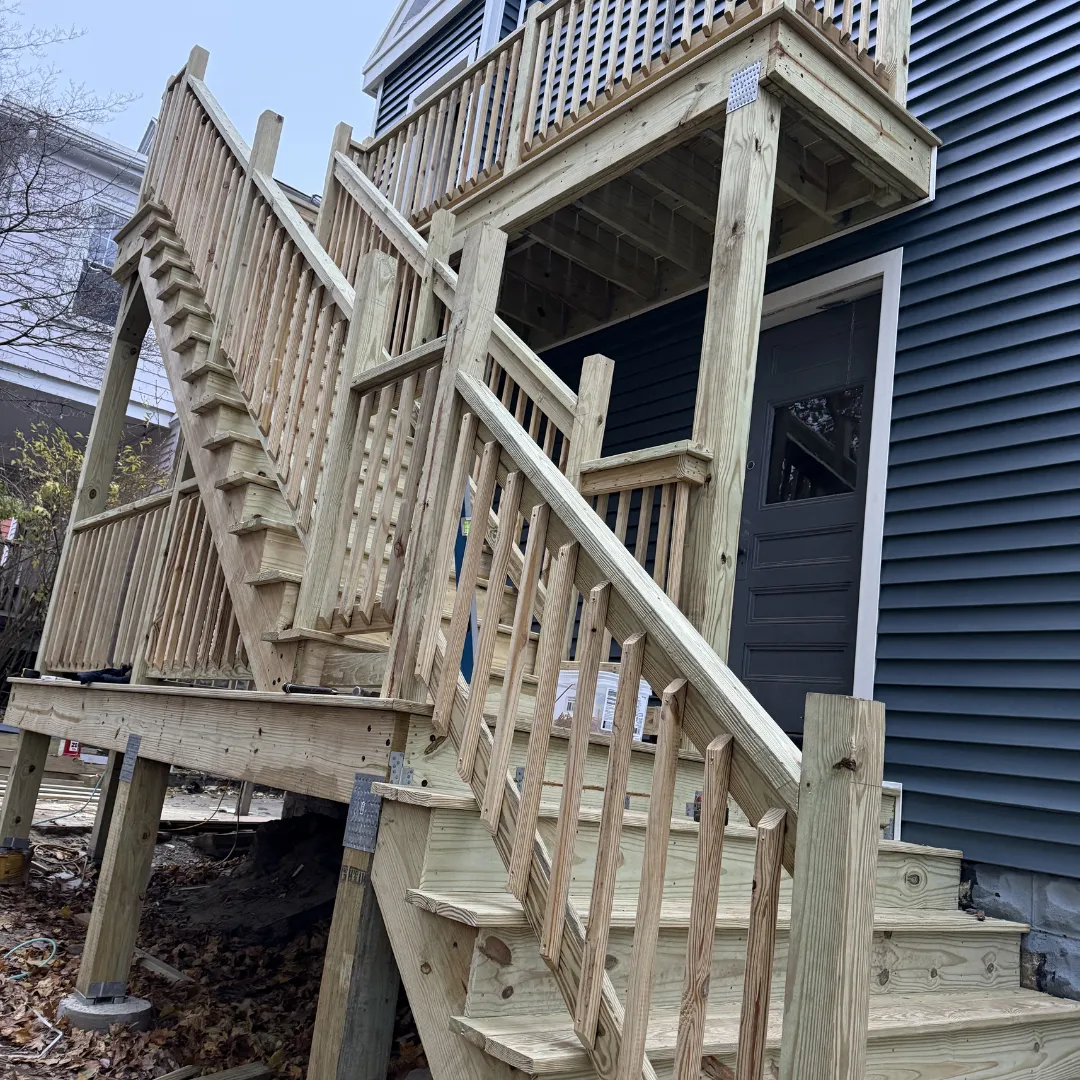
Blog Pressure-Treated vs Composite Decking: What Actually Lasts Through Massachusetts Winters Serving homeowners in Greater Boston and surrounding areas Choosing the right material for your new deck is a big decision, especially when you consider the harsh New England winters. In Massachusetts, your deck needs to withstand heavy snow, ice, freezing temperatures, and then the inevitable thaw. The two most popular choices, pressure-treated wood and composite decking, each offer distinct advantages and disadvantages. This guide will break down the differences between pressure-treated vs composite decking in Massachusetts, helping you understand which option provides the best long-term value, durability, and aesthetic appeal for your home. We’ll cover everything from upfront costs and maintenance to how each material holds up against our challenging climate. Considering a new deck this season? We offer free, in-home consultations to discuss your options and provide a personalized estimate. Call (844) 547-4633 Pressure-Treated vs Composite Decking in Massachusetts: A Durability Showdown When it comes to building a deck that can endure Massachusetts’ extreme weather, durability is key. Both pressure-treated wood and composite decking have their strengths, but they perform differently under the stress of snow, ice, and fluctuating temperatures. Understanding these differences is crucial for making an informed choice. Pressure-Treated Wood: The Traditional Choice Pressure-treated lumber has long been the go-to for decks due to its affordability and natural wood aesthetic. It’s wood (typically pine or fir) that has been chemically treated to resist rot, fungal decay, and insect infestation. This treatment significantly extends its lifespan compared to untreated wood. Pros for Massachusetts Winters: The chemical treatment makes it surprisingly resilient against moisture and rot, which is a major concern with snowmelt. It’s also very strong and can handle heavy snow loads. Repairing individual boards is relatively easy and cost-effective. Cons for Massachusetts Winters: Despite treatment, pressure-treated wood can still warp, crack, and splinter over time due to constant expansion and contraction from temperature changes. It requires regular maintenance, including cleaning, staining, or sealing every 1-3 years, to protect it from moisture and UV damage. Without proper care, it can quickly show its age. Composite Decking: The Modern Alternative Composite decking is engineered from a blend of recycled plastic and wood fibers, offering a low-maintenance and highly durable alternative to traditional wood. Brands like Trex, TimberTech, and Azek are popular for their robust performance. Pros for Massachusetts Winters: Composite materials are designed to resist moisture, rot, insects, and warping. They won’t splinter, crack, or twist, making them incredibly stable in varying temperatures. Many composite boards also feature a protective cap layer that enhances stain and fade resistance, crucial for areas exposed to winter elements. Minimal maintenance is required, usually just an occasional cleaning. Cons for Massachusetts Winters: The upfront cost is significantly higher than pressure-treated wood. While more durable, some older or lower-quality composites can still be susceptible to fading or mold in shaded, damp areas if not properly maintained. Repairing a single damaged board can be more challenging and expensive than with wood. A well-built pressure-treated deck can offer years of enjoyment, but regular maintenance is essential to combat Massachusetts weather. Cost Comparison: What to Expect for Your Massachusetts Deck Project The initial investment is often a major factor in deciding between pressure-treated and composite decking. While pressure-treated wood is cheaper upfront, the long-term costs of maintenance can narrow the gap over time. Pressure-Treated Decking Costs* For pressure-treated decking, you can generally expect to pay between $15* to $35* per square foot for materials and installation. This range depends on the complexity of the deck design, the type of lumber, and any additional features like railings or stairs. Material Cost: Pressure-treated lumber is typically the most budget-friendly option, often costing $2* to $5* per linear foot for decking boards. Installation Cost: Labor costs will vary, but given the straightforward installation, it’s generally less expensive than composite. Long-Term Costs: Factor in annual cleaning, staining, or sealing, which can add $200* to $600* every few years, plus the cost of any repairs due to warping or splintering. Composite Decking Costs* Composite decking typically ranges from $30* to $60* per square foot installed. While the initial price is higher, the reduced maintenance often makes it a competitive option over the deck’s lifespan. Material Cost: Composite boards are more expensive, usually ranging from $5* to $12* per linear foot, with premium capped composites at the higher end. Installation Cost: Installation can be slightly more complex, sometimes requiring specialized fasteners, which can slightly increase labor costs. Long-Term Costs: Maintenance is minimal, typically involving only occasional cleaning. This significantly reduces long-term expenses compared to wood. *Pricing varies based on project scope, materials selected, and site conditions. Contact us for a personalized estimate. Pro Tip: Don’t just look at the initial price. Calculate the total cost of ownership over 10-15 years, including maintenance, to get a true picture of which material is more cost-effective for your home. Maintenance and Lifespan in the Massachusetts Climate Massachusetts weather is notoriously tough on outdoor structures. Understanding the maintenance requirements and expected lifespan of each decking material will help you choose wisely. Caring for Pressure-Treated Decks To maximize the life of your pressure-treated deck in Massachusetts, consistent maintenance is non-negotiable. Cleaning: Annual cleaning with a deck cleaner and a power washer (on a low setting) will remove dirt, mildew, and algae. Staining/Sealing: Reapply a quality stain or sealant every 1-3 years. This protects the wood from UV rays, moisture absorption, and helps prevent warping and cracking. Repairs: Be prepared to address splinters, loose boards, or minor rot as they appear. With diligent care, a pressure-treated deck can last 15-20 years, though its appearance may degrade over time compared to composite. Caring for Composite Decks One of the biggest draws of composite decking is its low maintenance. Cleaning: Simple soap and water, or a specialized composite deck cleaner, is usually all that’s needed to remove dirt and grime. No Staining/Sealing: Composite decking never needs to be stained, sealed, or painted, saving you significant time and money over